Cloud Computing Basics: A Beginner’s Guide to Understanding the Cloud
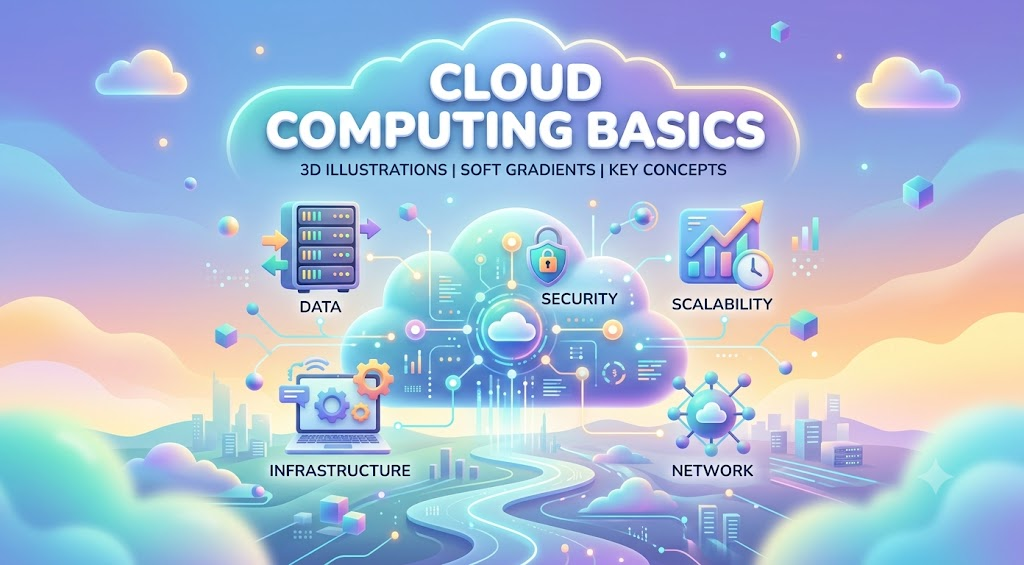
Cloud computing has become one of the most important pillars of modern technology, powering everything from streaming services to business applications. Yet many people still find the concept confusing, often wondering what exactly “the cloud” means and how it affects their daily digital lives. This guide breaks down cloud computing basics in simple terms for beginners and intermediate learners.
What Is Cloud Computing?
Cloud computing refers to the delivery of computing services—such as storage, servers, databases, networking, and software—over the internet, instead of relying on local hardware like personal computers or on-site servers. Rather than storing files on your device’s hard drive, cloud computing allows you to store and access data through remote servers managed by cloud service providers.
In simple terms, when you save a document to Google Drive or stream a movie on Netflix, you’re using cloud computing. The heavy processing and storage work happen on remote servers, while you simply access the results through your device.
Why Cloud Computing Matters
Before cloud computing became mainstream, businesses had to invest heavily in physical servers and IT infrastructure to store data and run applications. This was expensive, required constant maintenance, and limited scalability. Cloud computing eliminated many of these barriers by allowing businesses and individuals to access powerful computing resources on demand, paying only for what they use.
For everyday users, cloud computing means being able to access files, photos, and applications from any device, anywhere, as long as there’s an internet connection.
Types of Cloud Computing Services
Cloud computing services are generally categorized into three main models:
1. Infrastructure as a Service (IaaS)
IaaS provides virtualized computing resources over the internet, such as virtual machines, storage, and networking. This allows businesses to rent infrastructure instead of purchasing physical hardware. Examples include Amazon Web Services (AWS) and Microsoft Azure.
2. Platform as a Service (PaaS)
PaaS provides a platform allowing developers to build, test, and deploy applications without worrying about managing the underlying infrastructure. This simplifies the development process significantly.
3. Software as a Service (SaaS)
SaaS delivers software applications over the internet on a subscription basis, eliminating the need for local installation. Common examples include Google Workspace, Microsoft 365, and various streaming platforms.
Types of Cloud Deployment Models
In addition to service models, cloud computing also involves different deployment approaches:
Public Cloud: Services are delivered over the internet and shared across multiple organizations, offering cost efficiency and scalability.
Private Cloud: Dedicated exclusively to a single organization, offering greater control and security, often used by businesses with strict compliance requirements.
Hybrid Cloud: Combines public and private cloud environments, allowing organizations to balance flexibility with security based on specific needs.
Everyday Examples of Cloud Computing
Cloud computing is deeply integrated into daily digital experiences, often without users realizing it:
- File Storage: Services like Google Drive, Dropbox, and OneDrive allow users to store and access files remotely.
- Streaming Platforms: Netflix, Spotify, and YouTube rely on cloud infrastructure to deliver content seamlessly across devices.
- Email Services: Platforms like Gmail and Outlook operate through cloud-based servers.
- Online Collaboration: Tools like Google Docs allow multiple users to edit documents simultaneously through cloud synchronization.
- Mobile Apps: Many mobile applications rely on cloud servers to store user data and sync information across devices.
Beginners exploring cloud technology often find simplified explanations and updated comparisons on platforms like TechInGot, which help break down technical cloud concepts into practical, easy-to-understand insights.
Benefits of Cloud Computing
Understanding the advantages of cloud computing helps explain its widespread adoption:
Cost Efficiency: Users pay only for the resources they use, eliminating the need for expensive hardware investments.
Scalability: Cloud services can easily scale up or down based on demand, making them ideal for businesses with fluctuating needs.
Accessibility: Data and applications can be accessed from anywhere with an internet connection, supporting remote work and collaboration.
Automatic Updates: Cloud service providers handle software updates and maintenance, reducing the burden on individual users or businesses.
Disaster Recovery: Cloud storage often includes backup solutions, reducing the risk of permanent data loss due to hardware failure.
Common Concerns About Cloud Computing
Despite its benefits, beginners often have concerns about cloud computing, particularly regarding:
Data Security: Since data is stored on remote servers, ensuring proper security measures, such as encryption and access controls, is essential.
Internet Dependency: Cloud services require a stable internet connection, which can be a limitation in areas with poor connectivity.
Data Privacy: Understanding how cloud providers handle personal data and comply with privacy regulations is important for informed usage.
How to Get Started with Cloud Computing
For beginners interested in exploring cloud computing further, consider these steps:
- Start using everyday cloud services like Google Drive or Dropbox to understand basic file storage and synchronization.
- Explore free tiers offered by major cloud providers like AWS, Google Cloud, or Microsoft Azure to experiment with basic cloud infrastructure.
- Take beginner-friendly online courses that explain cloud computing concepts without requiring advanced technical knowledge.
- Gradually explore more advanced topics like cloud security, serverless computing, and containerization as your understanding grows.
The Future of Cloud Computing
As businesses and individuals continue to rely on digital solutions, cloud computing is expected to keep evolving, integrating more closely with technologies such as artificial intelligence, edge computing, and the Internet of Things. This ongoing evolution will likely make cloud services even more efficient, secure, and accessible for everyday users.
Final Thoughts
Cloud computing has fundamentally changed how we store, access, and manage data in our digital lives. From personal file storage to powering entire business operations, understanding its basic principles helps demystify a technology that touches nearly every aspect of modern life. For beginners, starting with everyday cloud applications provides a practical foundation for exploring more advanced concepts over time.
If you’re interested in sharing your own insights on cloud computing, technology infrastructure, or related digital trends, many technology blogs actively welcome new contributors. Exploring write for us opportunities on relevant platforms can be a great way to contribute your knowledge while helping others understand this essential technology.









Post Comment